
Mechanics
Deep dives into The Duskbloods PvPvE systems: Victory Points, First Blood objectives, dynamic events, Destined roles and superhuman movement.
Introduction
The Mechanics category is a deep-dive hub for the core systems of The Duskbloods, explaining how FromSoftware's PvPvE battleground actually works under the hood. It covers Victory Points — the scoring system that decides every match — and the First Blood objective that Bloodsworn fight for. The category explains how victory conditions vary from match to match, including the common last-player-standing rule and the special case where defeating a boss wins the match. It also covers dynamic events: special enemy spawns, bonus objectives and altered rewards that appear mid-match to change the rules. A major section is dedicated to player roles, including Destined Rivals and Destined Companion, which assign personal objectives and create dramatic rivalries or alliances. Blood powers, the summon system and blood transformation are explained, along with the superhuman movement set of sprint, super jump and double jump. Because The Duskbloods rewards both direct combat and opportunistic play, these mechanics articles help you understand exactly how to score points, avoid pitfalls and adapt when events flip the match.
Core Mechanics Reference
| System | How It Works | Impact |
|---|---|---|
| Victory Points | Score decided by objectives; combat + opportunism both count | Determines match winner |
| First Blood | The prize of each Dusk Battle | Core objective identity |
| Dynamic Events | Special spawns, bonus goals, altered rewards mid-match | Changes strategy live |
| Destined Roles | Rivals and Companion personal objectives | Creates drama/alliances |
| Movement | Sprint, super jump, double jump | Stress-free traversal |
System Breakdown
Victory Points System
The score that decides every match
Dynamic Events
Mid-match rule changes
Destined Roles
Personal objectives that create drama
Blood Powers & Summon
Abilities powered by your blood
Superhuman Movement
Traversal that changes combat flow
Core Mechanics
The mechanical heart of The Duskbloods is its Victory Points system, which decides match outcomes and is flexible enough to reward both direct combat and opportunistic play. Officially, victory conditions vary from match to match: the most common is surviving as the last player standing, but defeating a boss can also win a match, and scored objectives contribute to your point total. Dynamic events layer on top of this by injecting special enemy spawns, bonus objectives and altered rewards mid-match, which means the winning strategy can change while you are already fighting. The Destined Rivals and Destined Companion roles add a personal-objective dimension: a rival gives you a duel target, while a companion encourages temporary cooperation. Blood powers, including character transformation and the combat-assist summon, provide on-demand abilities that require careful timing. Finally, superhuman movement — sprint, super jump and double jump — lets you traverse the Gothic Victorian stages quickly and with less friction, enabling escapes, repositioning and aggressive follow-ups.
Advantages
Understanding the mechanics category gives you a decisive edge in The Duskbloods because the game rewards knowledge as much as reflexes. Knowing that Victory Points can come from opportunistic play means you can win without fighting every rival — you can bait, reposition and strike when it counts. Understanding dynamic events lets you anticipate rule changes and reposition before they matter, which is often the difference between first and fifth place. The Destined Roles system, meanwhile, gives you social and strategic tools: if you know you are a Destined Companion, you can form an alliance that improves both players' odds, and if you know your Rival, you can pre-plan the duel. Superhuman movement knowledge turns the map into an advantage terrain rather than an obstacle course. In short, the mechanics hub is your edge for the network test and launch.
Challenges
The mechanics category faces the same pre-release limitation as the rest of the wiki: several systems are confirmed at a high level but not yet documented in precise numbers. Victory Point values, event trigger frequencies and exact role bonuses had not been fully detailed before launch, so the articles here describe the systems' behavior rather than exact scoring formulas. Some specifics — like which dynamic events spawn in which stages or how the boss-defeat win condition is triggered — are based on trailer analysis and interview descriptions and may change in network test builds. Players looking for exact stats should treat these pages as reliable concept overviews and revisit after the test for data-driven refinements.
Frequently Asked Questions
How are matches won in The Duskbloods?+
What are dynamic events?+
What are Destined Rivals and Destined Companion?+
Does avoiding combat help you win?+
Quick Tips
At the start of every lobby, identify the active Victory Point sources and victory condition for that specific match type, then commit to the highest-scoring route for that ruleset. Survival matches, boss-defeat matches and point races each reward very different behavior, so adapting your route early is the most reliable way to climb the leaderboard.
When a dynamic event triggers mid-match, reposition before you engage rather than reacting in place. Learning the common event trigger conditions and moving toward or away from the spawn area ahead of time usually preserves your Victory Points total, while a delayed reaction often costs you both position and score.
Use the superhuman movement set as an offensive toolkit rather than purely for escape. Sprint, super jump and double jump let you take high ground, close distance on fleeing targets and disrupt rivals who expect slow approach, so practice weaving movement into your combat rhythm for pressure and repositioning alike.
Keep track of your Destined Rival early in a Dusk Battle, but resist the urge to tunnel-vision on the duel. Winning the personal rivalry can be satisfying, but scoring the main victory condition and defending against dynamic events usually determines the match outcome more than your one-on-one result. Balancing both goals keeps you competitive while still enjoying the personal drama the system adds.
Featured

The Duskbloods PvPvE: How Do Multiplayer Matches Work?
Learn how does PvPvE work in The Duskbloods — Victory Points, random events, special enemy spawns, combat assist, and rival role mechanics explained in detail.

The Duskbloods Match Objective: How Victory Points Work
Learn how Victory Points determine the duskbloods match objective, how 8-player mechanics work, and why you earn rewards regardless of outcome.

The Duskbloods Systems Explained: Core Mechanics Overview
Explore The Duskbloods systems explained in depth — Victory Points, Bloodsworn roles, PvPvE matches, hub customization, and superhuman movement mechanics.
All Articles

The Duskbloods First Blood Objective: Your Complete Guide
Learn how the first blood objective works in The Duskbloods, how it fuels blood transformation, and why it shapes early match strategy for every Bloodsworn.

The Duskbloods Gameplay Loop Explained: How It Works
Understand the Duskbloods gameplay loop explained in detail: Victory Points, Bloodsworn roles, hub customization, and movement mechanics for Switch 2.

The Duskbloods PvPvE Explained: Victory Points & Strategy
Learn how The Duskbloods PvPvE works: Victory Points, last player standing wins, blood abilities, blood form, and blood magic mechanics explained.
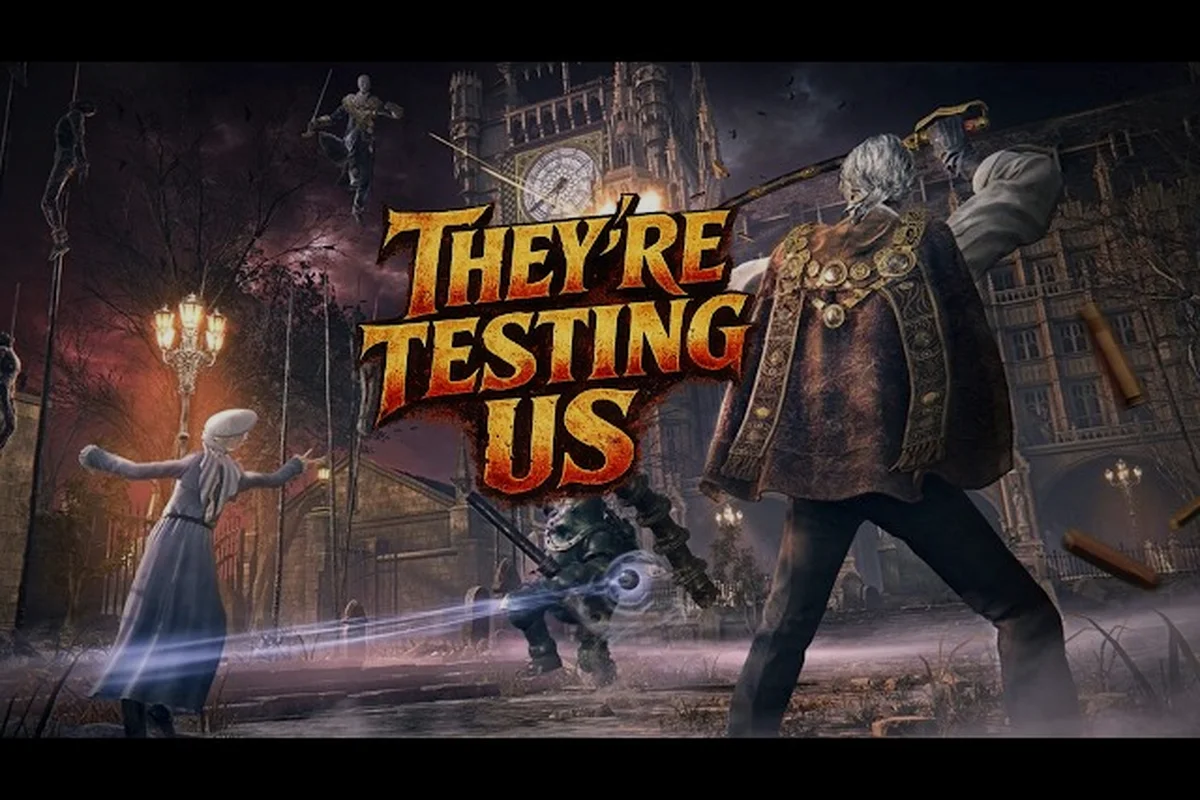
The Duskbloods Win Conditions: How to Secure Victory
Discover how The Duskbloods win conditions work, including Victory Points, First Blood, boss defeats, and survival scoring across Dusk Battles.
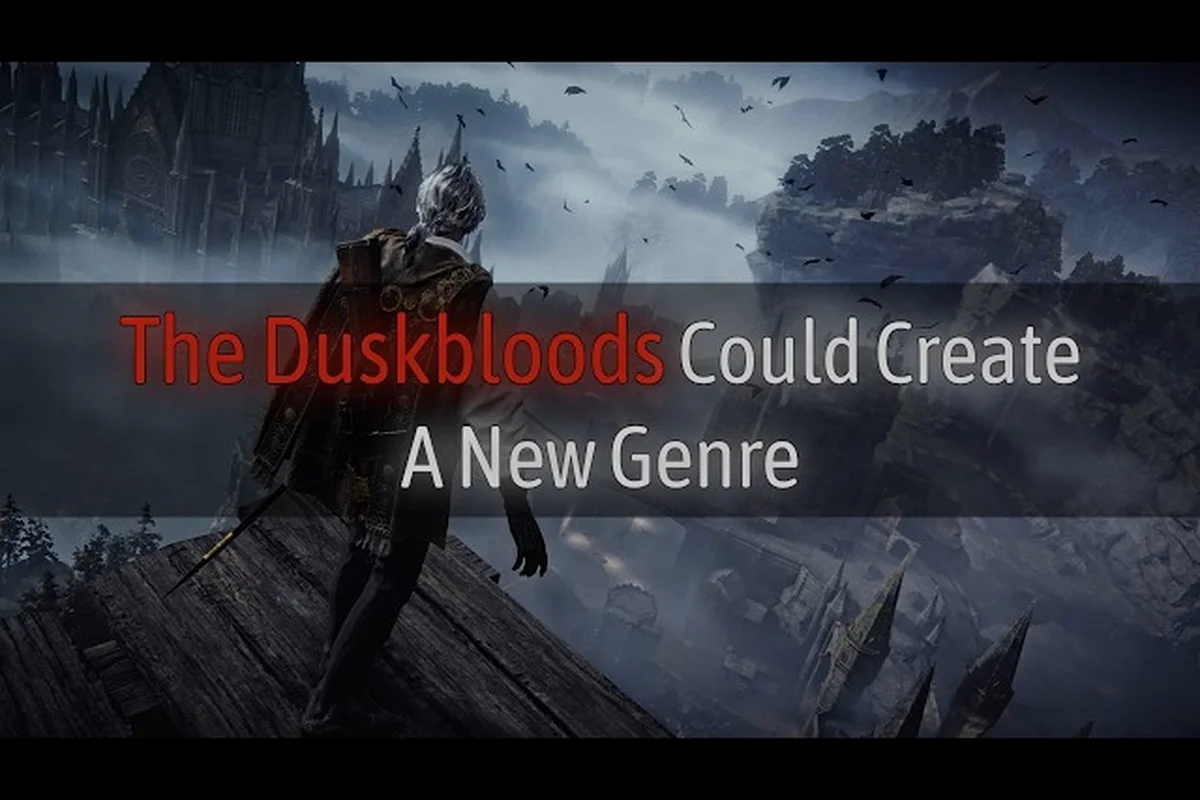
The Duskbloods Boss Defeat Win Condition Explained
Learn how the boss defeat win condition works in The Duskbloods, when it triggers, and how Victory Points interact with boss fights across Dusk Battles.