
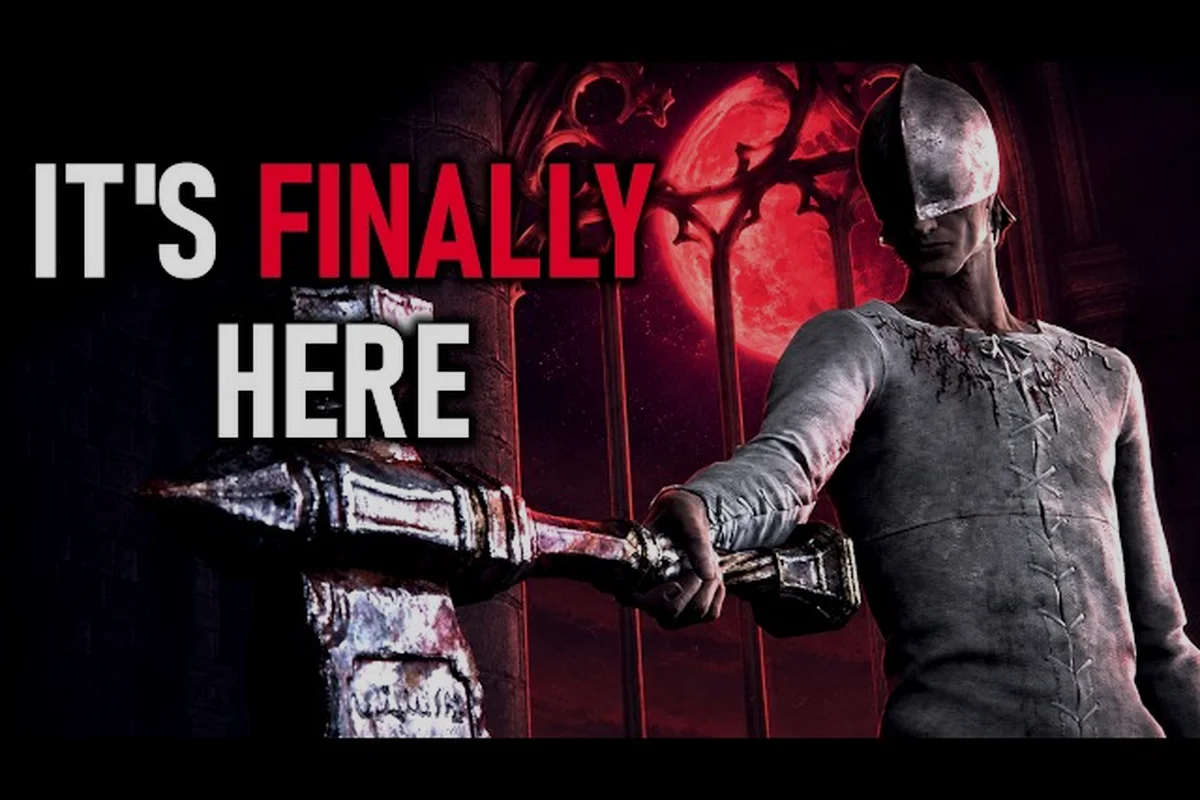
Every Bloodsworn enters a Dusk Battle with one melee weapon, one ranged weapon, and a unique set of abilities that shape how you approach combat. Since the closed network test revealed that each of the 12+ playable characters carries a distinct loadout, understanding the duskbloods weapon variety guide is no longer optional—it is the difference between claiming Victory Points and watching another player drain your Blood History dry.
This The Duskbloods weapons guide breaks down how melee and ranged tools interact, which archetypes excel in specific scenarios, and how to build a loadout that matches your playstyle. Whether you prefer closing distance with a blade or controlling space from range, the armory system rewards players who understand both sides of the fight.
-
Duskblood weapons scale primarily with Arcane, so prioritize Intelligence and Faith for hybrid builds.
-
The Bloodtooth Dagger excels in rapid bleed procs, but its short reach demands close-quarters positioning.
-
Pair the Umbral Scythe with the Ash of War "Phantom Slash" to maximize multi-hit damage against groups.
-
For boss fights, the Nightveil Greatsword’s charged heavy can stagger most enemies, but watch your stamina.
-
Upgrade the Crimson Reaper last—it’s powerful, but its high FP cost makes it situational in prolonged battles.
-
Every Bloodsworn carries one melee weapon, one ranged weapon, and one ability, so your loadout decisions always affect all three combat layers.
-
Melee weapons control close-range pressure and stagger windows, while ranged weapons offer poke, finishers, and zone control that melee cannot reach.
-
Light attacks probe and build pressure cheaply, while heavy attacks break guards but leave you exposed during their longer recovery.
-
No character is locked into a single playstyle—the customization system lets you emphasize melee, ranged, or a hybrid that adapts to each Dusk Battle.
-
The melee vs ranged debate is really about covering weaknesses: pure melee collapses to kiting, pure ranged collapses to pressure, and the best players switch between both.
The Duskbloods Armory Guide: Understanding Loadout Fundamentals
The armory in The Duskbloods revolves around a simple but deep principle: every Bloodsworn carries one melee weapon, one ranged weapon, and a Bloodsworn ability that ties them together. According to community data from the network test, no character is locked into a single playstyle—you can customize your loadout to emphasize melee, ranged, or a hybrid approach that adapts to each Dusk Battle.
The core of the duskbloods weapon variety guide lies in how these three slots interact. Your melee weapon determines your pressure game and close-range damage output, while your ranged weapon provides poke, finishers, and utility that melee cannot reach. The Bloodsworn ability, meanwhile, functions as a wildcard that can swing a fight when used at the right moment.
Melee weapons in The Duskbloods fall into several categories based on speed, reach, and damage profile. Ranged weapons similarly split into pistols, rifles, and slower heavier options that trade fire rate for stopping power. The key insight for new players is that no weapon exists in a vacuum—your melee choice directly impacts how effective your ranged options become, and vice versa.
| Weapon Slot | Primary Role | Secondary Role | Best For |
|---|---|---|---|
| Melee Weapon | Close-range pressure, stagger, combos | Parry timing, defensive spacing | Aggressive players, duelists |
| Ranged Weapon | Poke damage, finishers, harassment | Zone control, forcing movement | Tactical players, supports |
| Bloodsworn Ability | Fight-changing utility | Combo extension, escape tool | All playstyles, high skill ceiling |
This loadout structure means that the duskbloods melee vs ranged debate is not about choosing one side—it is about understanding how each weapon class covers the other's weaknesses. A pure melee build struggles against opponents who keep distance, while a pure ranged build collapses under pressure. The best Bloodsworn players use both tools in concert, switching between them based on the flow of combat.
Duskbloods Melee Combat Tips: Timing, Spacing, and Pressure
Melee combat in The Duskbloods rewards deliberate timing rather than button mashing. The network test revealed that each melee weapon has a unique moveset with distinct attack windows, recovery frames, and combo paths. Learning these patterns is the foundation of every successful duskbloods melee combat strategy, because committing to an attack at the wrong moment leaves you exposed to punishing counters.
Light attacks come out fast and cost little stamina, making them ideal for probing and building pressure. Heavy attacks deal significantly more damage and can break an opponent's guard, but they leave you vulnerable during their longer recovery. The trick is reading your opponent's habits—if they dodge after every light attack, condition them to expect a heavy on the next exchange.
Reading Opponent Patterns
The most important skill in melee combat is pattern recognition. Every player develops habits, whether they realize it or not. Some players dodge backward after taking a hit, while others immediately attack back. According to player reports from the network test, successful melee players spend their first exchange feeling out these tendencies rather than going for maximum damage.
Parry windows are tight but generous enough to be practical, rewarding players who study enemy animations. A successful parry staggers your opponent and opens them up for a critical attack, but a mistimed parry leaves you completely vulnerable. Practice in the Hub area before entering Dusk Battles to internalize the timing for your chosen weapon.
Stamina Management in Melee
Stamina is the hidden currency of melee combat. Every attack, dodge, and parry consumes stamina, and running dry at the wrong moment can be fatal. The duskbloods melee combat tips that experienced players share all center on this resource: never throw out attacks recklessly, because a drained stamina bar means you cannot dodge the incoming punish.
| Melee Action | Stamina Cost | Recovery Time | Best Use Case |
|---|---|---|---|
| Light Attack | Low | Short | Pressure, chip damage, combo starters |
| Heavy Attack | High | Long | Guard breaks, punishes, finishers |
| Dodge Roll | Medium | Medium | Positioning, i-frame evasion |
| Parry | Medium | Long | Counter-attacks, high-risk plays |
| Jump Attack | High | Very Long | Surprise pressure, gap closing |
Stamina management becomes even more critical in multi-player Dusk Battles, where up to eight players compete for Victory Points. When multiple opponents are nearby, you need to keep enough stamina in reserve to escape after every engagement. The players who consistently win matches are the ones who treat stamina as a resource to budget, not a bar to drain.
Duskbloods Ranged Combat: Poke, Zone, and Finish
Ranged combat in The Duskbloods serves a completely different purpose than melee. While melee wins fights through sustained pressure, ranged weapons excel at controlling space, punishing mistakes, and securing kills that would otherwise escape. The duskbloods ranged combat system is built around ammunition management, reload timing, and positional advantage.
Every ranged weapon in the game has a limited magazine and a reload animation that leaves you vulnerable. This creates a natural rhythm: fire your shots, create distance, reload, and re-engage. The players who excel at ranged combat understand that their weapon is a tool for dictating engagement distance, not a primary damage source in most situations.
Pistol-type weapons fire quickly with low damage per shot, making them excellent for harassing opponents and finishing low-health targets. Rifle-type weapons deal significantly more damage per shot but fire slowly and require careful aim. The network test indicated that some Bloodsworn characters have unique ranged weapons tied to their identity, adding another layer to the duskbloods weapon variety guide.
According to GamingBolt’s coverage of The Duskbloods, the game’s weapon balance is tied to each character’s unique melee and ranged loadouts, which shift damage scaling and stamina costs across the roster. Because every Bloodsworn arrives with a fixed melee weapon paired to a single firearm, the tuning is not about swapping gear but about mastering the synergy between those two tools. For example, a heavier melee swing may consume more stamina to compensate for its higher damage output, while a lighter, faster weapon might allow more frequent attacks but force you to rely on your gun for burst damage. This design pushes players to internalize each character’s rhythm rather than chase a universal best-in-slot, and the superhuman sprint, super jump, and double jump further alter how you close distance to land a melee hit or line up a ranged shot. Since the game is still unreleased as of August 2026, these loadout details come from pre-release coverage and are subject to change, but the core idea remains: balance lives in the pairing, not the inventory.
Positioning for Ranged Success
Ranged combat is fundamentally about positioning. A ranged player who stands still becomes an easy target, while one who constantly moves forces opponents to chase. The best ranged players use the environment to their advantage, peeking from cover, using elevation, and maintaining distance from melee threats.
Reload timing is the most punishing aspect of ranged combat. Getting caught mid-reload is often fatal, because you cannot defend yourself while your weapon is empty. Smart players reload behind cover or after a dodge, never in the open. This creates a tactical minigame where you are constantly weighing the value of each shot against the risk of being caught vulnerable.
| Ranged Weapon Type | Fire Rate | Damage per Shot | Magazine Size | Ideal Range |
|---|---|---|---|---|
| Pistol | Very Fast | Low | Large | Close-Mid |
| Rifle | Slow | High | Small | Mid-Long |
| Shotgun | Medium | Very High | Small | Point-Blank |
| Special Ranged | Varies | Varies | Varies | Situational |
Ammunition conservation matters more than most players expect. Since reloading leaves you vulnerable, every shot should have a purpose. Firing at maximum range where accuracy drops is often worse than holding your fire and repositioning for a better angle. The duskbloods ranged combat tips that top players share all revolve around this principle: quality over quantity when it comes to gunplay.
Duskbloods Melee vs Ranged: Choosing Your Primary Style
The duskbloods melee vs ranged debate has no single correct answer because the game's design rewards mastery of both. However, understanding the strengths and weaknesses of each style helps you decide where to focus your practice time and how to build your loadout around your natural tendencies.
Melee-first players excel at dictating the pace of combat. They force opponents to react, control space through pressure, and punish mistakes with devastating combos. The tradeoff is vulnerability to ranged harassment—a skilled ranged player can keep a melee-focused Bloodsworn at arm's length while chipping away at their health.
Ranged-first players excel at controlling engagement distance and punishing poor positioning. They can farm damage from safety, force opponents to chase, and secure kills that melee players would miss. The tradeoff is vulnerability to pressure—if a melee player closes the distance, ranged-focused builds often struggle to create enough space to recover.
| Playstyle | Strengths | Weaknesses | Best Bloodsworn Archetypes |
|---|---|---|---|
| Melee-First | Pressure, burst damage, control | Vulnerable to kiting | Aggressive duelists, brawlers |
| Ranged-First | Safety, poke, finishers | Weak under pressure | Tacticians, supports |
| Hybrid | Adaptable, unpredictable | Higher skill ceiling | Balanced characters |
The hybrid approach is where the duskbloods weapon variety guide truly shines. Players who learn to flow between melee and ranged based on the situation gain a significant advantage over opponents locked into one style. Start a fight with ranged harassment, punish the approach with melee, then create distance again to reset the cycle. This constant switching keeps opponents guessing and prevents them from establishing a comfortable rhythm.
Building a Hybrid Loadout for Flexible Ranged Play
Creating an effective hybrid loadout requires pairing weapons that cover each other's weaknesses. A fast melee weapon pairs well with a longer-range rifle, because you can pressure up close and still threaten opponents who keep distance. Conversely, a slow heavy melee weapon pairs better with a quick pistol, giving you a fast fallback option when your primary is too slow for the situation.
Character choice matters in this equation because each Bloodsworn has unique weapon options and abilities. The network test confirmed that all 12+ playable characters have distinct loadouts, meaning your hybrid build is partially determined by your character choice. Check the Bloodsworn character breakdown for details on which characters support hybrid play best.
Weapon Variety and Matchup Strategy
Understanding the full duskbloods weapon variety guide means recognizing that no single weapon is objectively best—each tool has matchups where it excels and matchups where it struggles. The network test data suggests that weapon effectiveness shifts dramatically based on the opponent's loadout, the map layout, and the number of players in the Dusk Battle.
Fast weapons (light swords, quick pistols) excel against slow, heavy builds because they can punish recovery frames and avoid taking hits. Slow weapons (greatswords, rifles) excel against fast builds because they can trade favorably when they do land, and their damage per hit is high enough to make every exchange count.
Matchup knowledge is the hidden layer of skill in The Duskbloods. Players who understand their weapon's strengths and weaknesses against common enemy loadouts can make smarter decisions about when to engage and when to retreat. This knowledge comes from experience, so expect to lose matches while learning the early roster of weapons and their matchups.
| Your Weapon | Strong Against | Weak Against | Key Adjustment |
|---|---|---|---|
| Fast Melee | Slow heavies, low mobility | Ranged kiting, parry specialists | Close distance aggressively |
| Heavy Melee | Ranged builds, low pressure | Fast melee, stamina drain | Force trades, bait dodges |
| Quick Pistol | Low health targets, rushers | Tanky builds, long range | Focus finishers, not damage |
| Rifle | Mid-range duels, poke wars | Close-range pressure | Maintain distance at all costs |
Map awareness plays a massive role in weapon effectiveness. Tight corridors favor melee builds because they eliminate the space that ranged players need to operate. Open areas favor ranged builds because they can see approaching threats from distance. Smart players adapt their positioning based on the map segment they are in, rather than forcing the same approach everywhere.
Frequently Asked Questions
What is the best weapon for beginners in The Duskbloods?
The best starter weapons are fast melee options with straightforward combos and forgiving stamina costs, paired with a quick pistol for finishing. These tools let new players learn the duskbloods melee vs ranged dynamic without punishing mistakes too harshly. As of the network test, balanced Bloodsworn characters with equal melee and ranged stats were the most accessible.
How do ranged weapons interact with melee combos?
Ranged weapons can extend melee combos by firing during recovery frames, creating pressure that keeps opponents from punishing your openings. You can also use ranged shots to bait dodges, then punish with melee attacks. This interaction is central to the duskbloods weapon variety guide because it rewards players who master both systems.
Can I customize my Bloodsworn's weapons?
Yes, the network test confirmed that players can customize their loadout, though the full extent of the customization system remains unclear. Each character has access to specific weapon types, and players can adjust their melee and ranged slots. The weapon types guide covers the full range of options available so far.
Is melee or ranged combat more effective in Dusk Battles?
Neither style is strictly better—the duskbloods melee vs ranged balance shifts based on the situation. Melee dominates close-quarters fights and objective control, while ranged excels at picking off low-health enemies and controlling space. The most effective players in the network test were those who switched between both styles fluidly rather than committing to one.
What makes a good hybrid loadout?
A good hybrid loadout pairs a close-range melee like the Chainblade with a mid-range rifle such as the Bolt Caster, letting you punish gaps and control space. Avoid two slow weapons; instead, match a quick sidearm with a heavy main to keep pressure up without losing your escape option.